Invisalign® in Nottingham
Straighter teeth, the clear & modern way
Skip the brackets and wires — Invisalign® gives you a clear, comfortable, and removable alternative to traditional braces. Designed to fit around your life, not disrupt it.
- Discreet, removable & easy to clean
- Great for mild to complex tooth movement
- Spread the cost with flexible 0% finance

Here's why you'll love Invisalign®
- Closes gaps and aligns crowded teeth for a cleaner, more confident smile
- Improves your bite to reduce jaw strain and uneven wear
- Discreet and removable, so you can eat, brush, and live without limits
- No brackets or wires, just smooth aligners that fit your routine
- Back on track after braces? Invisalign is perfect for touch-ups
- Designed for busy lives, with fewer in-practice visits
- Boosts your confidence without drawing attention
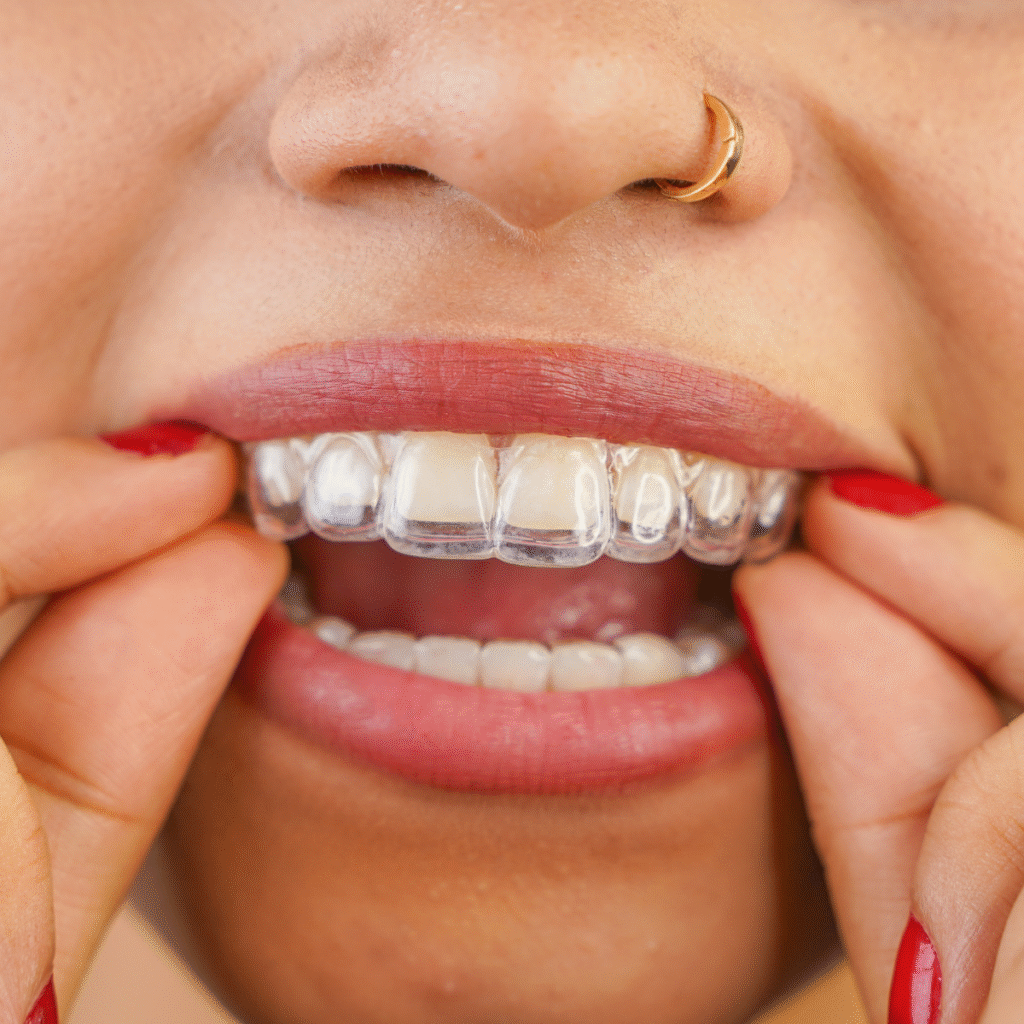
Clear. Removable. Surprisingly powerful.
Invisalign® aligners are custom-made to fit your teeth and lifestyle, no brackets, no wires, and no surprises. Whether you’re prepping for a big event or just want a bit more control, Invisalign makes it easy to straighten your smile without disrupting your day-to-day.
They’re nearly invisible, easy to clean, and come out when you need them to. Plus, with smart digital planning, you’ll see the path to your new smile from day one.
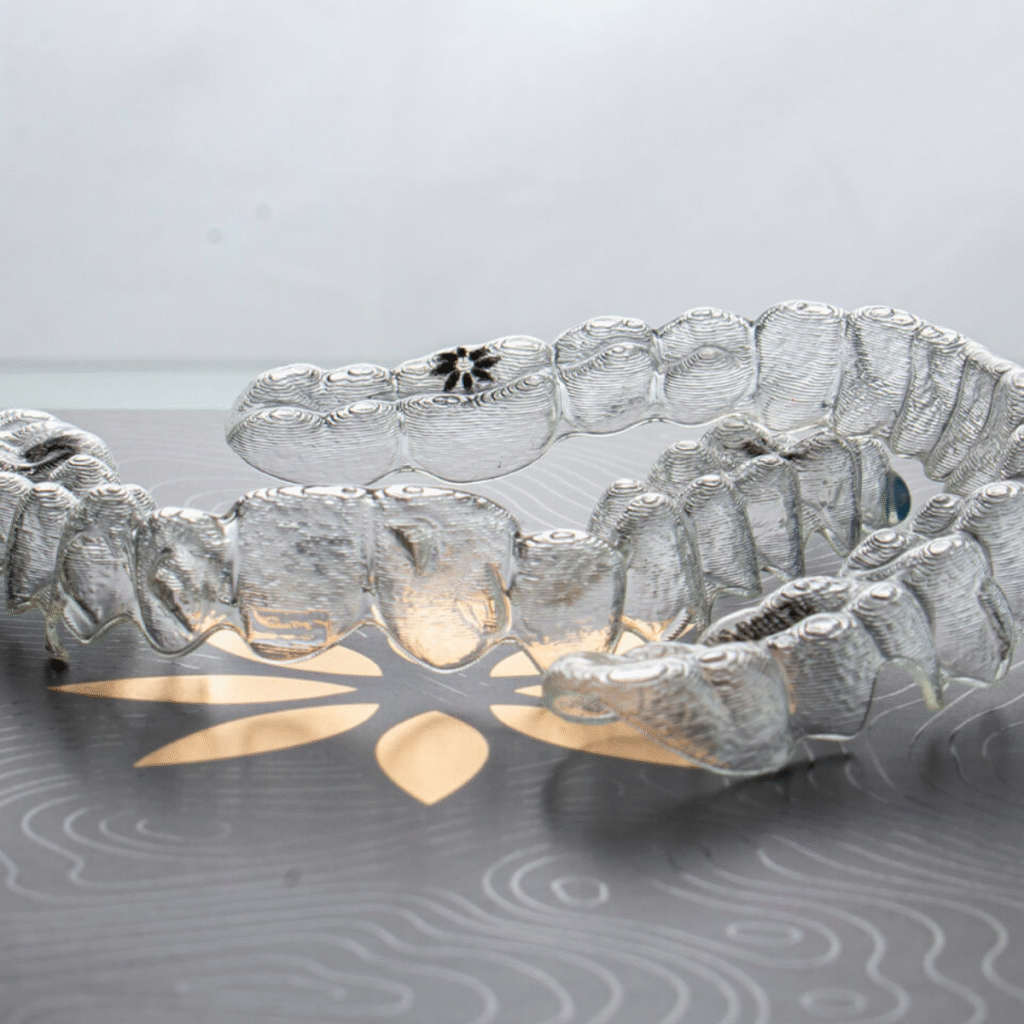
Designed around real life
From your morning coffee to evening plans — Invisalign® makes straightening your teeth feel natural. No dietary restrictions, no awkward cleaning routines, no compromise on comfort or confidence.
Invisalign® vs traditional braces
Appearance
Almost invisible clear aligners
Visible metal brackets and wires
Comfort
Smooth and gentle — no wires
Can cause irritation inside lips and cheeks
Removability
Remove for eating and brushing
Fixed in place until treatment ends
Check-ups
Fewer visits with digital tracking
Regular monthly adjustments
Food & lifestyle
No food restrictions — easy to manage
Avoid hard, sticky or chewy foods
Oral hygiene
Simply remove to brush and floss as normal
Requires more care and tools to clean properly
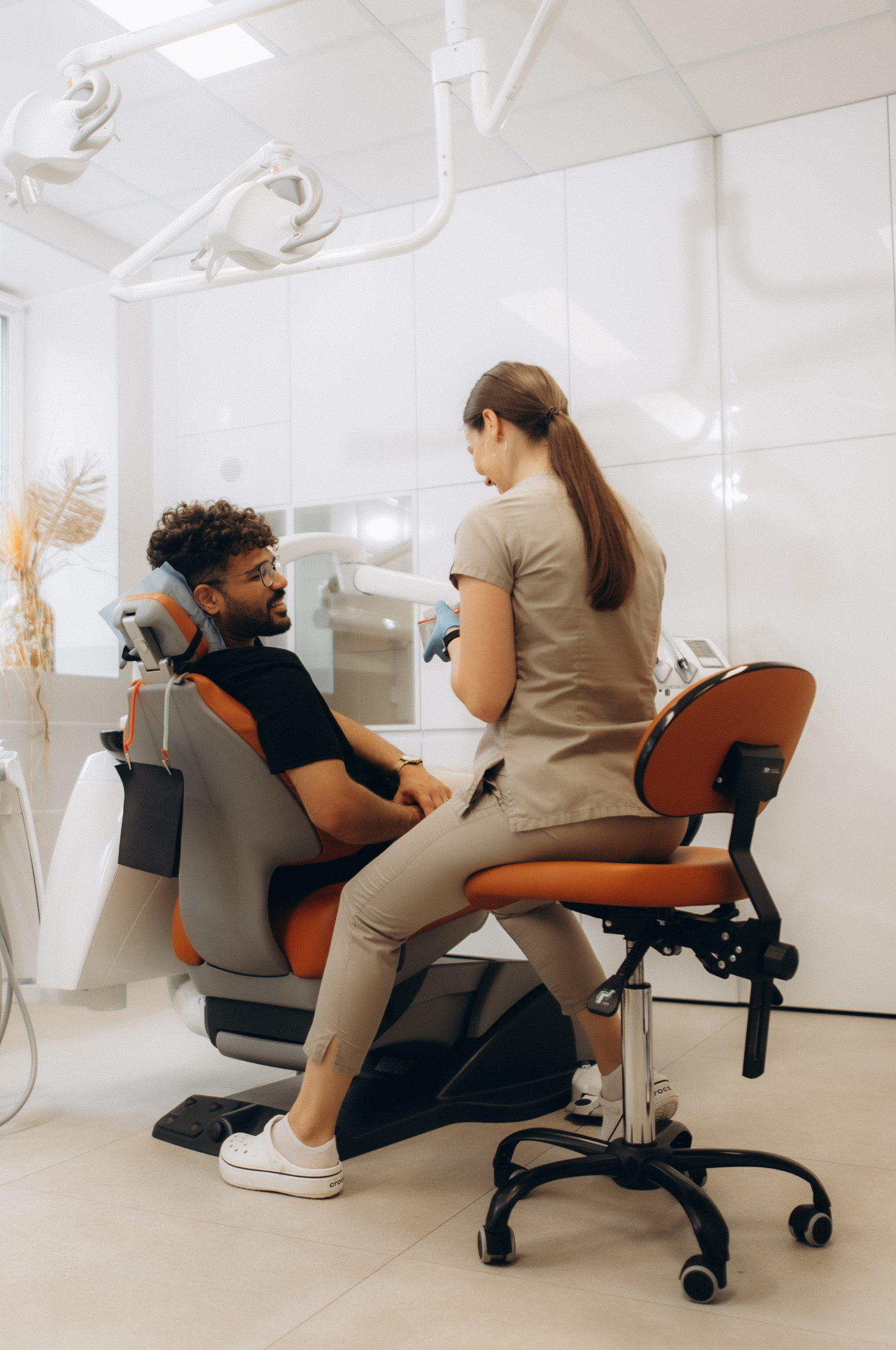
Treatment timeline: what to expect
We’ll chat about your concerns, assess your bite, and see if Invisalign is the right fit.
We take 3D scans to design your aligners — and you’ll get a preview of your future smile.
Begin wearing your custom aligners daily, changing them every 1–2 weeks as your smile shifts.
When treatment ends, we’ll fit retainers to keep your new smile beautifully in place.
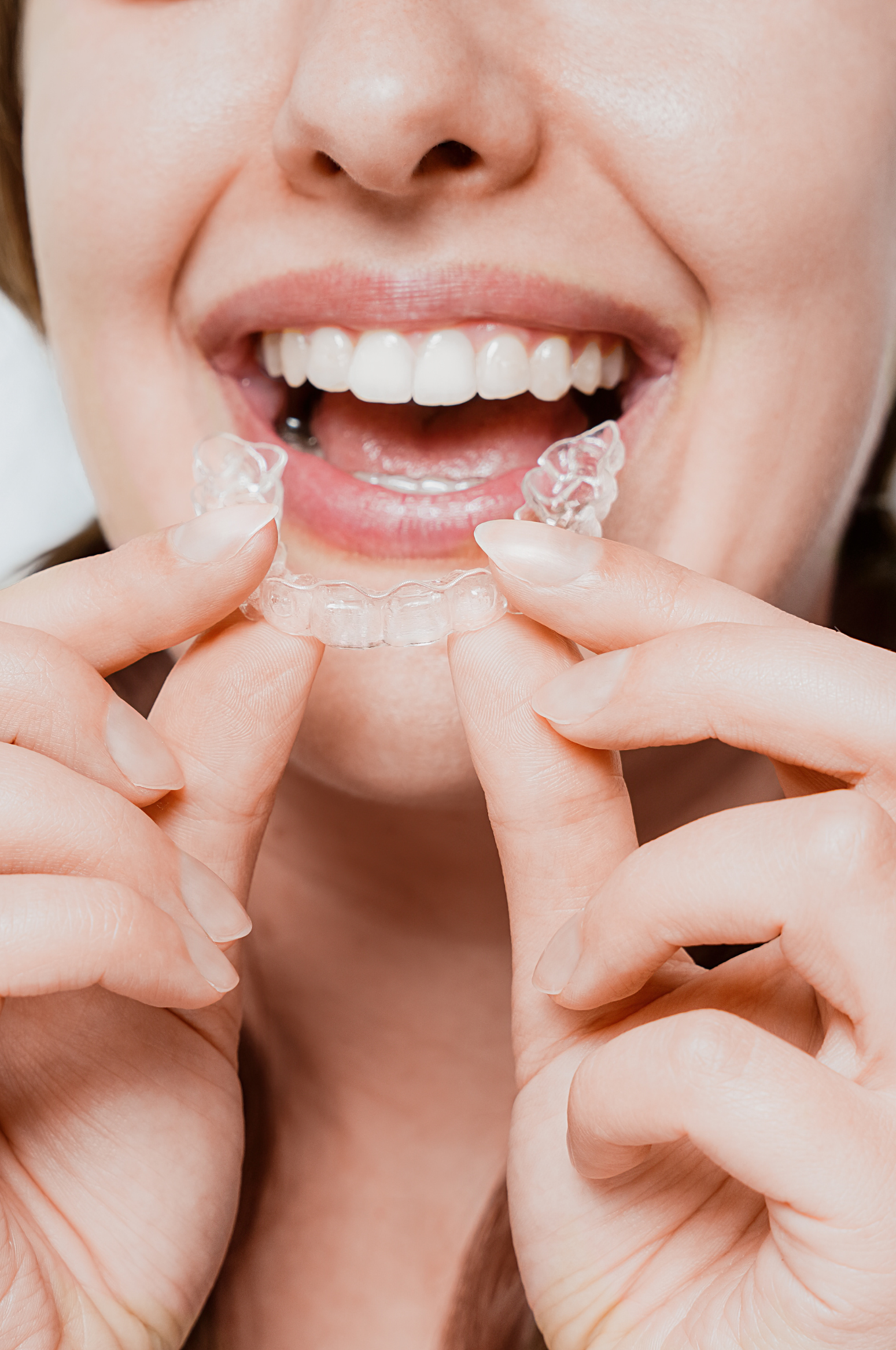
What Invisalign® can help with
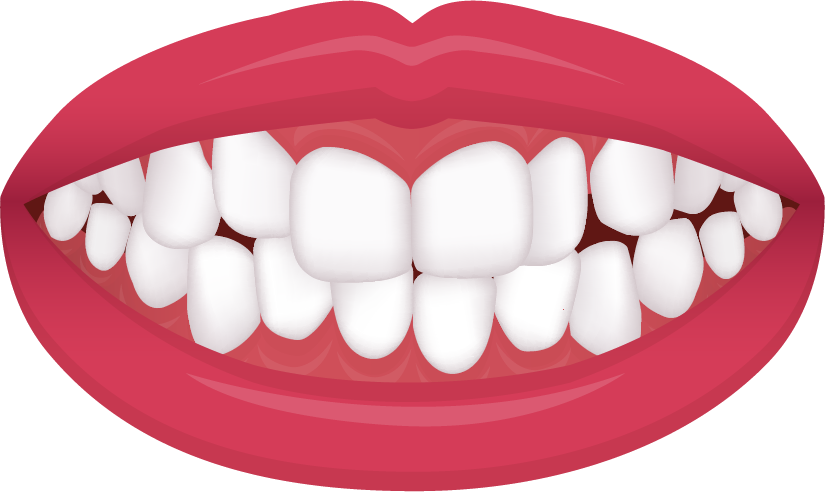
crowded teeth
Invisalign® gently moves teeth into alignment, making cleaning easier and your smile more even.
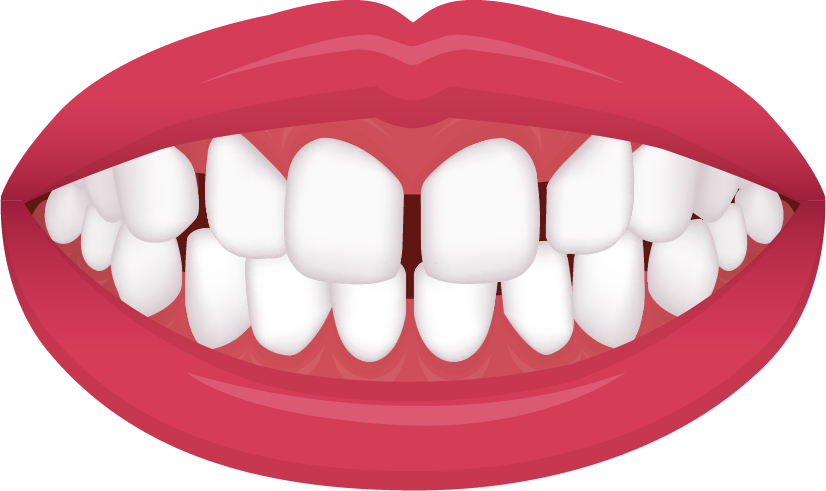
gapped teeth
Closes spaces between teeth for a more uniform look and healthier bite.
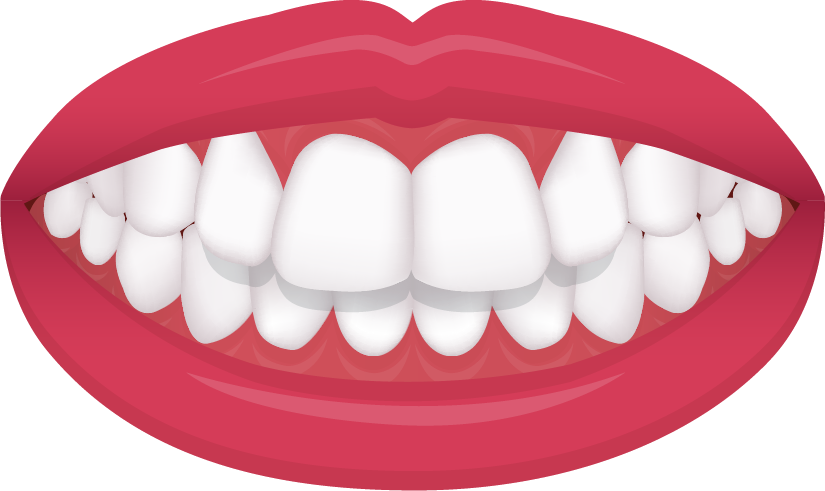
overbite
Helps reduce the excessive overlap between your upper and lower teeth.
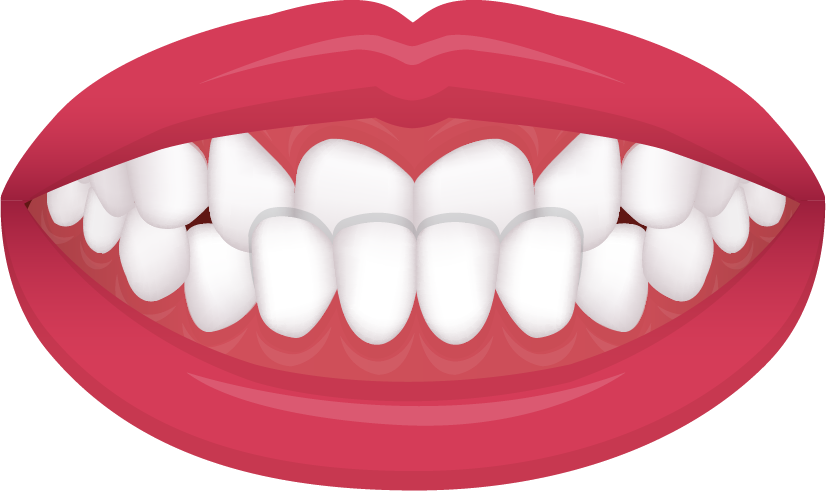
underbite
Improves chewing and jaw alignment by correcting underbite patterns.
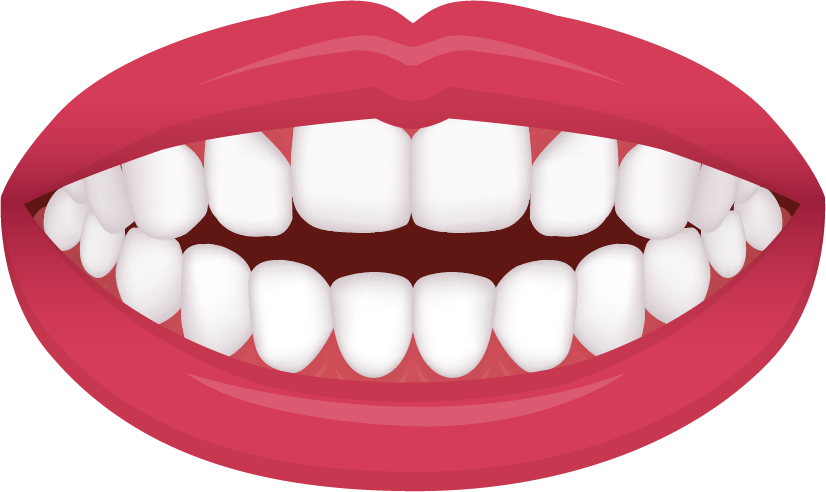
open bite
Invisalign® helps close the vertical gap between top and bottom teeth.
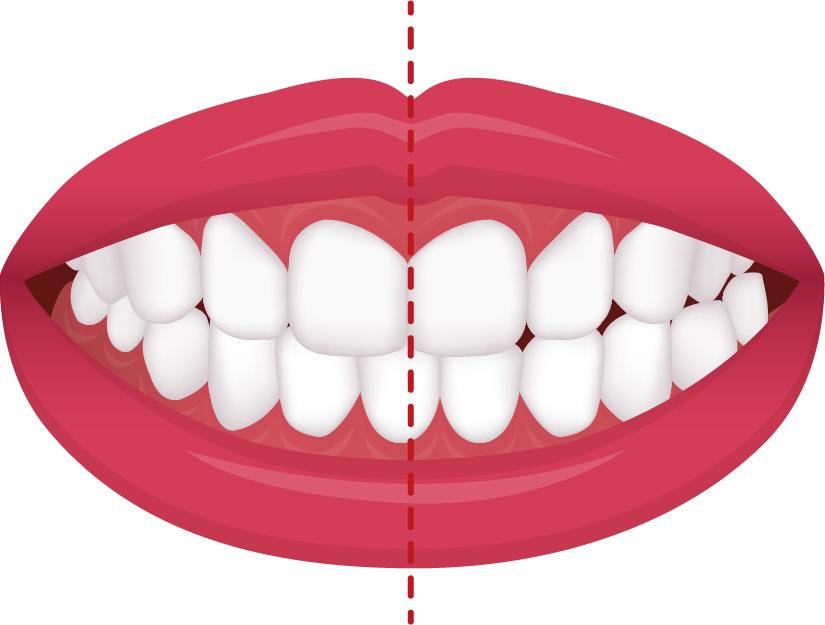
crossbite
Corrects misalignment where some top teeth sit behind the bottom ones.
What patients often ask us
The 30-minute rule is a guideline suggesting that you brush your teeth within 30 minutes after eating or drinking (anything other than water) before putting your aligners back in. This helps prevent staining and plaque buildup inside the trays.
It’s not recommended. Invisalign® aligners should be worn for 20–22 hours a day for the best results. Removing them for 5 hours regularly may slow your progress or impact your results.
Yes — ideally. Brushing after every meal prevents food particles and sugars from being trapped between your teeth and aligners, helping you avoid decay, bad breath, and staining.
Bring your case with you, remove aligners when eating or drinking anything besides water, and brush your teeth before putting them back in. If you need to leave them out for a short while, just make sure to clean and replace them as soon as possible.
Some patients notice changes in just a few weeks. However, visible improvements typically start to appear around the 8–12 week mark, depending on your treatment plan.
You might notice a slight lisp in the first few days, especially with certain sounds. Most people adjust very quickly — often within a week.