
Gum disease treatment in Nottingham
Healthier gums, stronger smile
Gum health affects more than just your mouth — from bleeding and swelling to loose teeth, we treat the signs before they become serious.
- Stop bleeding gums, soreness and swelling
- Prevent gum disease and bone loss
- Support for sensitive teeth and gum recession

What are the signs of gum problems?
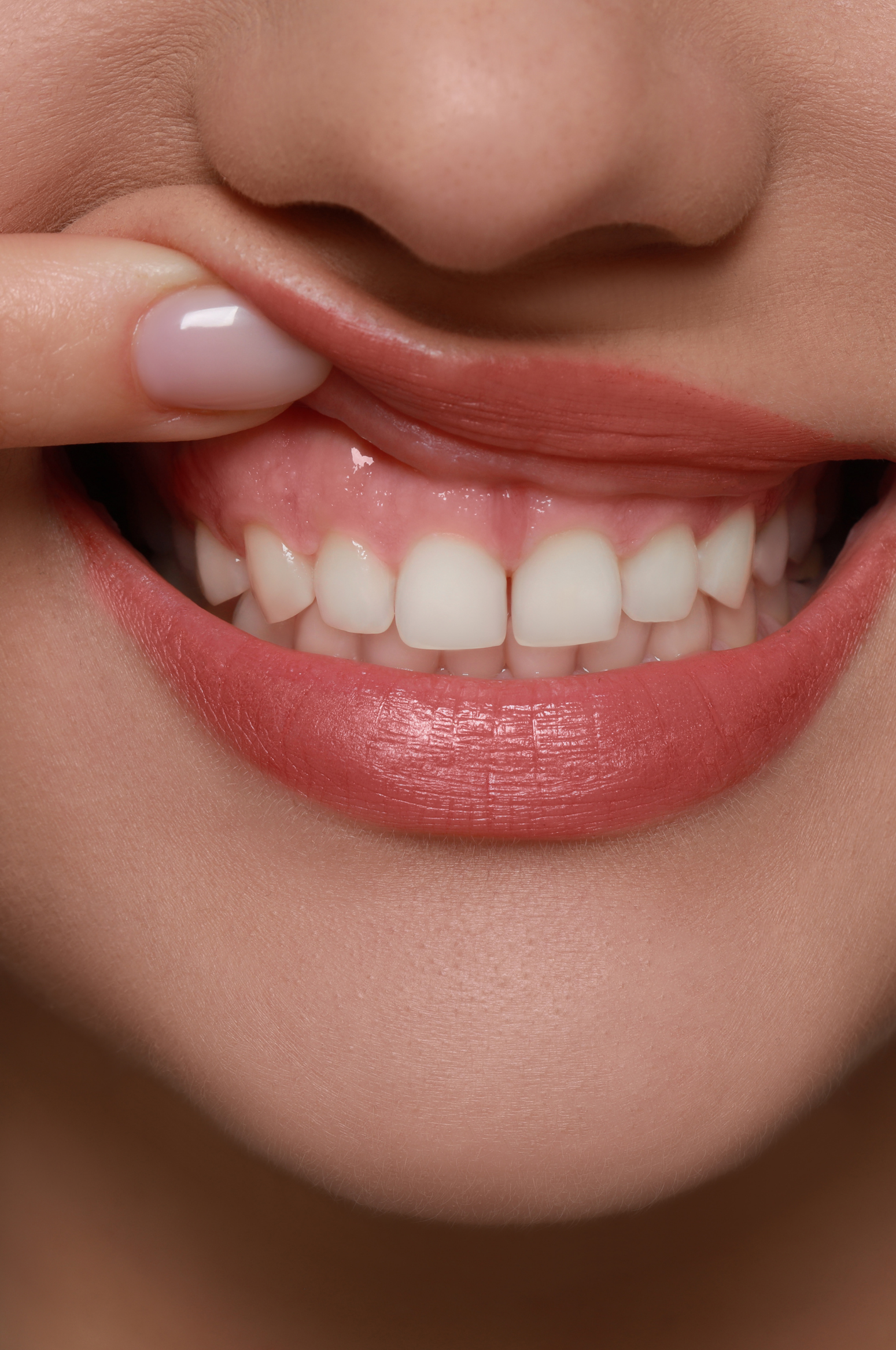
Gum disease can creep in quietly — which is why regular check-ups and hygiene appointments are so important. If you’ve noticed any of these signs, we’re here to help:- Bleeding when brushing or flossing
- Red, swollen or tender gums
- Persistent bad breath or a bad taste
- Advice on brushing, habits & diet
- Receding gums or teeth that feel loose

Gum health is the foundation of your smile
Your gums do more than hold your teeth in place — they’re key to long-term oral health. That’s why spotting early signs of gum disease (like bleeding, bad breath, or soreness) matters. We take a gentle, preventative approach to keep your gums healthy, your breath fresh, and your smile secure.
Healthier gums, healthier body
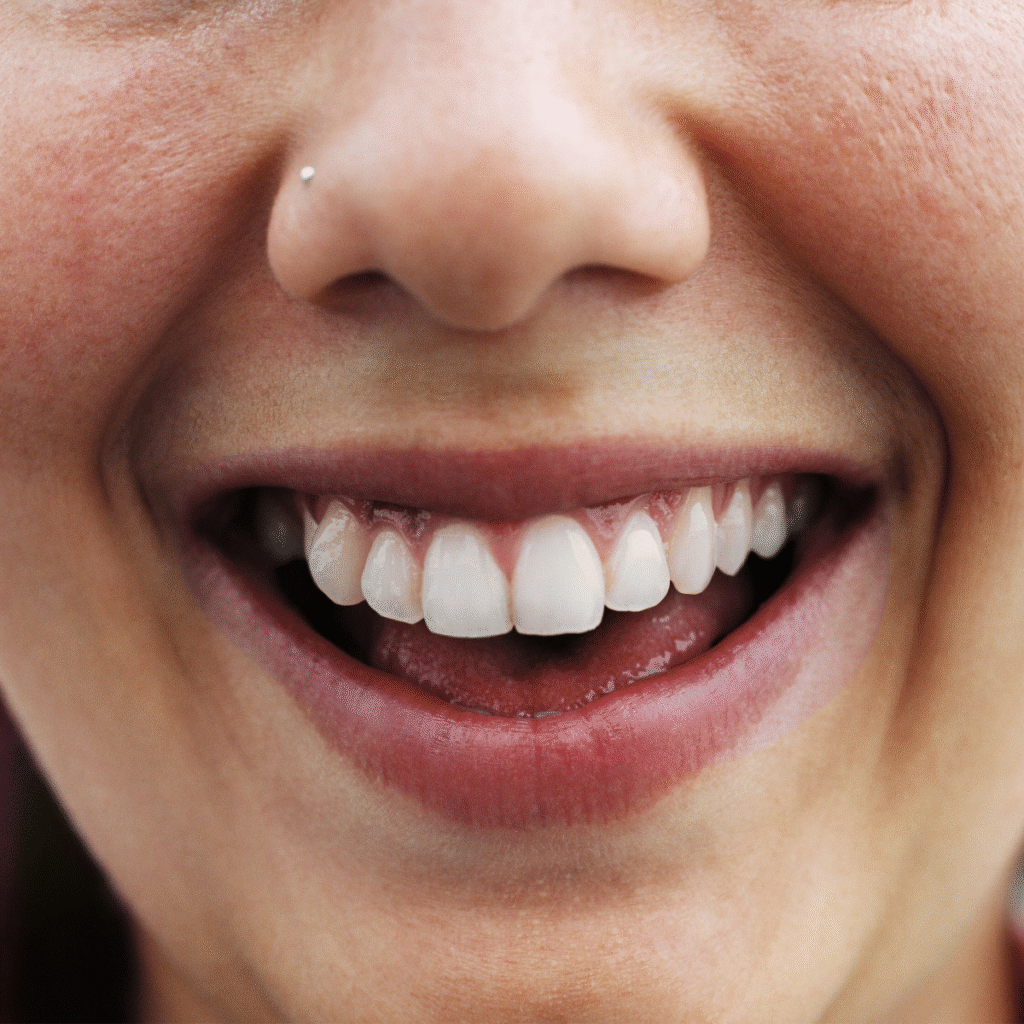
Gum disease doesn’t just affect your mouth — it’s linked to your overall health too. Research shows connections between gum health and conditions like heart disease, diabetes, and pregnancy complications.
That’s why we take a proactive approach: spotting early signs, helping you build better habits, and keeping things calm, simple and easy to manage.

Step-by-step: how we treat gum issues
We’ll examine your gums and measure any signs of inflammation or bone loss.
A scale and polish (or deep clean) removes bacteria and build-up below the gum line.
We’ll show you how to care for your gums daily — and recommend the right tools to make it easy.
In more advanced cases, we’ll suggest a tailored plan with additional cleaning or specialist support.
What patients often ask us
In early stages (gingivitis), gum disease is reversible with proper care. Later stages (periodontitis) can be managed to stop progression.
We work gently and can use numbing gel or anaesthetic if needed. Many patients are surprised by how comfortable the experience is.
Yes — untreated gum disease can damage the bone that supports your teeth. But with regular care, this can usually be prevented.
We’ll recommend a daily routine that includes the right brushing technique, interdental cleaning, and any additional tools that fit your needs.